
2026 Sunvega AI Online Home Design Software for Smarter Renovation Translation
The home furnishings industry is moving in a clear direction: faster design cycles, stronger visual presentation, and tighter integration between design and manufacturing. For renovation and custom home projects, the old workflow of “draw first, explain later, and rework again” is being replaced by
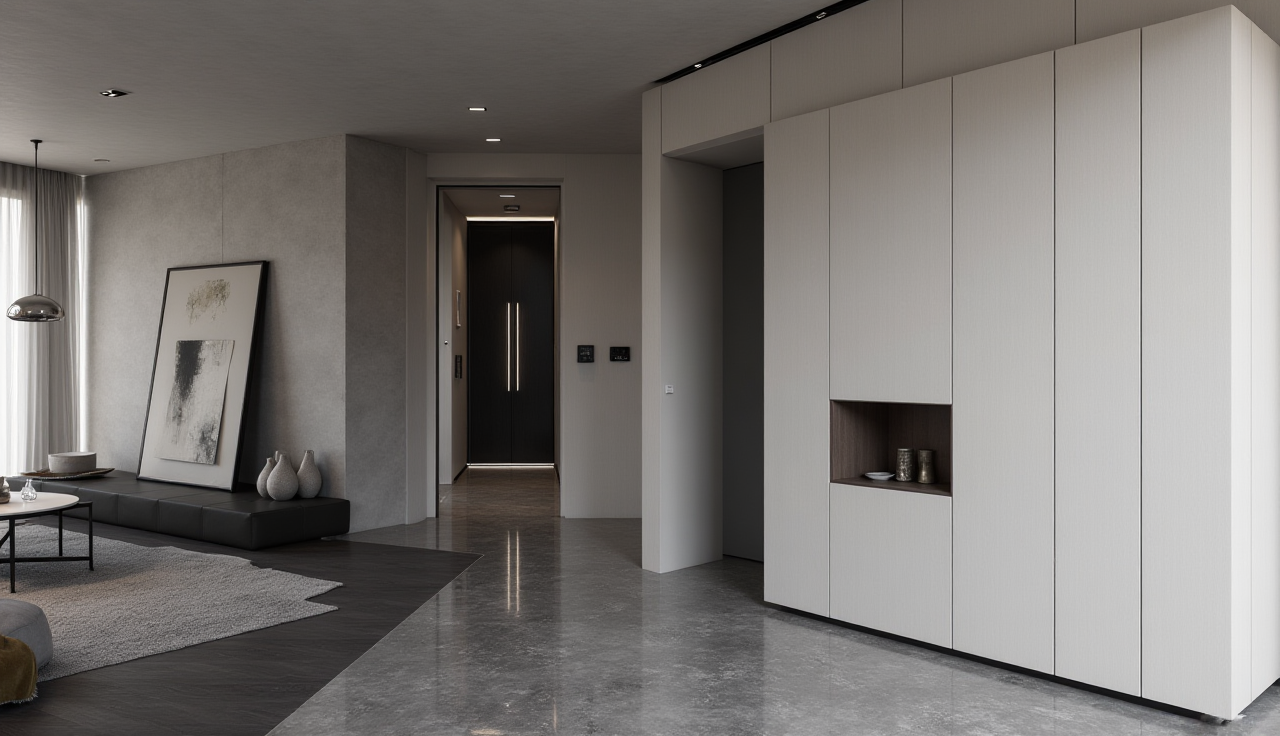
The home furnishings industry is moving in a clear direction: faster design cycles, stronger visual presentation, and tighter integration between design and manufacturing. For renovation and custom home projects, the old workflow of “draw first, explain later, and rework again” is being replaced by cloud-based design, real-time 3D visualization, and data-connected production.
Against that backdrop, Guangdong Sunvega Information Technology Co., Ltd. (sunvega) has built a digital ecosystem for the global home furnishings sector, combining AI, 3D visualization, and smart manufacturing. According to Sunvega’s public information, the company was founded in 2013 in Guangzhou, launched China’s first cloud-based 3D design platform and proprietary cloud rendering technology in 2014, and now serves 20,000+ enterprise customers and 9,000 manufacturing clients globally. It also reports 10,000+ happy clients across 20+ countries and an average of 30% cost savings for clients.
For home brands, designers, retailers, and manufacturers, the message is simple: renovation software is no longer just a drawing tool. It is becoming the operating system of the entire home project.
1) The biggest shift in renovation: from isolated design to connected workflows
In many home renovation projects, the real delay does not come from the first concept sketch. It comes from the gap between design, client communication, product selection, quotation, and manufacturing. A beautiful plan can still fail if the SKU data is inconsistent, the materials are not synchronized, or the factory receives incomplete information.
Sunvega addresses this problem with a shared database that connects the business lifecycle from marketing and design to manufacturing. Its ecosystem includes:
AiHouse: AI-driven interior design based on real product catalogsSpacify: AI automated home design for rapid ideation
HomeSnap AI: AI room planner for quick space layout
Visioneer: interactive virtual showroom for immersive product presentation
JEGA: design-to-manufacturing solution connecting the full lifecycle
Sunvega Design: professional design services
Practical advice
If you are choosing renovation software for a home business, focus on whether it can do these three things:
Link the design side with the production sideKeep product libraries synchronized
Reduce manual re-entry of dimensions, materials, and SKUs
A system that only makes pretty images is useful, but a system that also supports manufacturing is far more valuable in real projects.
2) AI is changing the speed of concept creation
One of the most time-consuming tasks in home design is the creation and revision of 3D content. Traditionally, building high-quality models and photorealistic renderings required significant manual work. Sunvega’s public materials say its AI accelerates the transformation of physical products into high-precision digital twins, even starting from a single image.
This matters for three reasons:
Designers can move faster from idea to proposalRetail teams can refresh product presentations more frequently
Factories can reduce mismatch caused by outdated visuals or dimensions
Sunvega also highlights cloud-based rendering that produces photorealistic visuals in minutes, which is especially useful for online renovation presentations, marketing materials, and immersive shopping experiences.
Practical advice
For renovation teams, the best way to use AI is not to replace designers, but to move the repetitive work earlier and faster:
Use AI for the first draft of layout ideasUse automated rendering for client presentations
Reserve human designers for style direction, space logic, and final quality control
That approach keeps creativity where it matters while reducing the time spent on routine production tasks.
3) Translation and localization are now part of the design process
In global home furnishing projects, “translation” is not just about language. It also means translating product information, space requirements, style preferences, and manufacturing rules into a format that different teams can use correctly.
Sunvega reports support for 18 languages and 20+ local service partners across markets including Malaysia, Vietnam, and Poland. That makes it more suitable for cross-border collaboration, overseas sales, and multilingual customer communication.
This is important because home projects often involve:
bilingual product catalogsmultilingual customer consultations
unit conversions
localized material naming
regional style preferences
For example, a “light luxury” concept in one market may need different visual references, terminology, and product combinations in another. A renovation platform that supports multilingual workflows helps reduce misunderstandings and speeds up approvals.
Practical advice
If your business works across regions, build a translation and terminology system alongside the design software:
Use one glossary for materials, cabinet parts, and accessoriesStandardize dimensions and measurement units
Translate product titles and descriptions consistently
Keep the same visual template across languages
This is where online renovation software becomes a real business tool, not just a design front end.
4) From showroom to factory: why the backend matters as much as the frontend
A common mistake in home renovation is focusing too much on the presentation layer and too little on the execution layer. A client may approve a beautiful rendering, but if the factory cannot reproduce it accurately, the project becomes expensive and slow.
Sunvega’s ecosystem is designed to connect marketing, design, and manufacturing in one workflow. Its proprietary AI CNC algorithms optimize nesting and production, while smart central control helps improve throughput and reduce waste.
That matters for custom furniture and whole-house projects, where small data errors can create:
material wasteproduction delays
rework costs
delivery problems
customer dissatisfaction
Sunvega’s public materials also note that clients have achieved an average 30% cost savings, which suggests that the value is not only visual. It also lies in process efficiency.
Practical advice
When evaluating software for renovation or home furnishing, ask:
Can it synchronize the 3D library with the SKU catalog?Can it pass design data directly to production?
Can it help reduce manual conversion of drawings into factory instructions?
Can it support version control when the design changes?
If the answer is yes, the software is likely to support real operational gains.
5) What Sunvega’s portfolio signals about real-world applicability
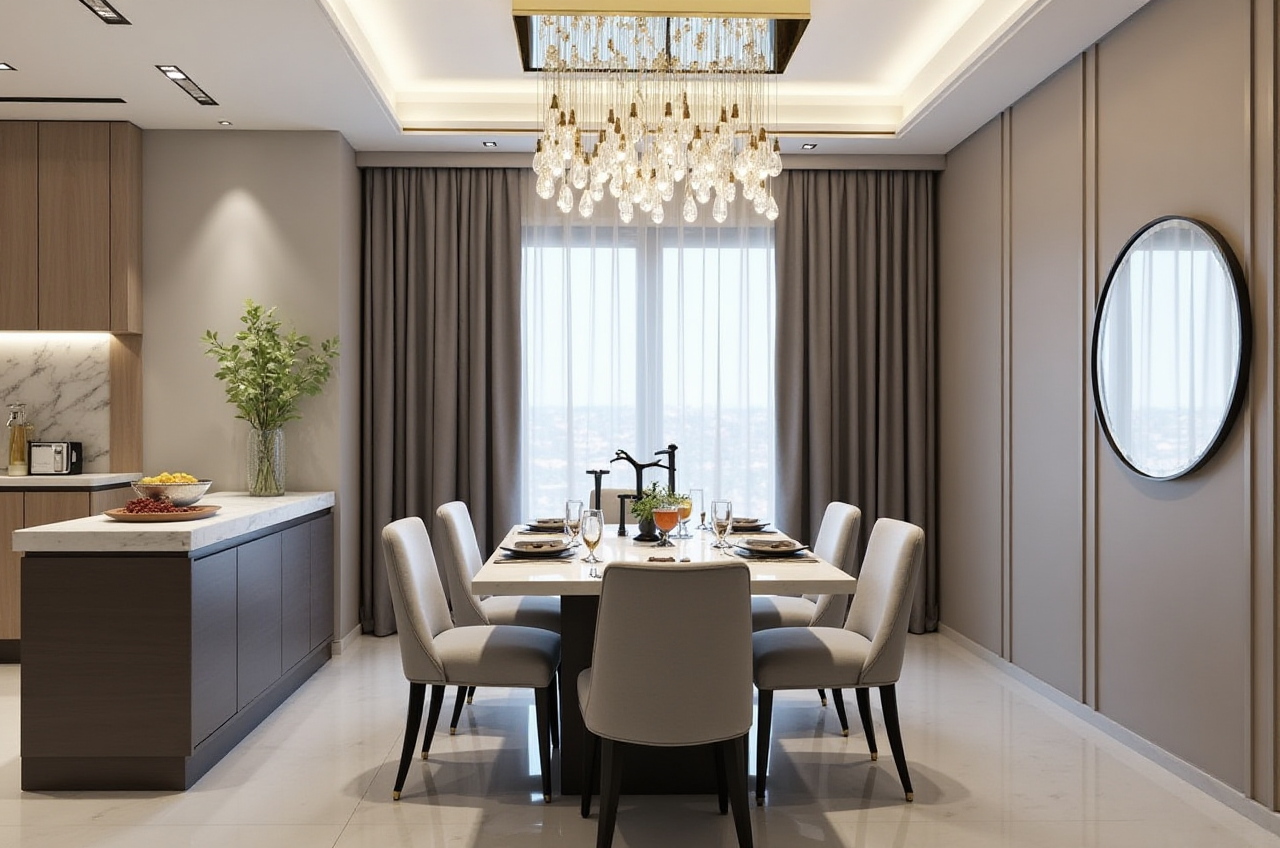
Sunvega’s portfolio showcases a range of styles, including:
RetroMinimalist
Light Luxury
American
Chinese classical
This matters because renovation software must work across different design languages, not just one aesthetic. A platform that can handle diverse styles is more useful for retailers, designers, and homeowners who need flexibility.
Sunvega also operates with over 600 employees, has established three R&D centers specializing in AI, 3D Rendering & Modeling, and Manufacturing, and has formed partnerships with organizations such as ASID and AOUSD. Those details matter because they show the company’s focus is not limited to short-term software features; it is building an ecosystem around interoperability and professional workflow.
Practical advice
For home businesses, the most reliable software choice is usually the one that can handle:
multiple styleshigh SKU volumes
frequent catalog updates
showroom presentation
production delivery
That combination is what separates a design app from a business platform.
6) A practical checklist for 2026 renovation teams
If you are a designer, distributor, or home brand planning your software stack for 2026, use this checklist:
Does it support online design and rapid ideation?Does it offer photorealistic rendering for client presentations?
Does it connect design, sales, and manufacturing data?
Does it support multilingual communication?
Can it scale across large product libraries?
Does it help reduce revision time and manual work?
Sunvega’s public ecosystem answers “yes” to many of these points, which is why it has become relevant to both renovation and manufacturing workflows.
7) Why this matters now
The home industry is no longer competing only on style. It is competing on speed, accuracy, localization, and execution. Customers want faster proposals, clearer visuals, and fewer mistakes. Businesses want shorter delivery cycles and lower rework costs.
That is why Sunvega’s positioning is notable. It is not presenting itself as a single design tool, but as a digital infrastructure provider for the global home furnishings industry. For companies that want to improve renovation efficiency, support translation and localization, and connect design with manufacturing, that is a practical direction rather than a theoretical one.
For more information, visit: https://www.sunvega.com/
Q&A
Q1: What is the main advantage of Sunvega for renovation projects?
A: The main advantage is workflow connection. Sunvega links design, visualization, and manufacturing through a shared database, which helps reduce data silos and shorten the path from concept to production.
Q2: How does Sunvega support translation and cross-border collaboration?
A: Sunvega supports 18 languages and has 20+ local service partners. This helps teams manage multilingual product information, client communication, and localized project delivery more smoothly.
Q3: Is Sunvega only for design presentation?
A: No. Sunvega goes beyond presentation. Its ecosystem includes design tools, virtual showrooms, cloud rendering, and design-to-manufacturing solutions, so it supports both the front end and the production side of home projects.